Showing posts with label zone read. Show all posts

Thursday, 30 June 2022

Inside the Playbook: Minnesota's Basic Run Game Attack

Originally published by Maize n Brew on May 29, 2014

Related Press:
Minnesota is one of the most popular teams not only in B1G, but in all of college football. Not only are they tough when it comes to how well they manage their football, but they are also the core of a team that wants to be strong runners. Most of their runs are between dives, like the inner belt from Power O to RB or Power O QB. With such strength on the field, there is no speed to threaten the team. So the way to take their football to the extreme is not to switch others or activate the WR screen, but to use WR in a different way to activate the whip. Not only did humiliation become commonplace to them, but they used it to make another escape. In this article, we'll take a quick look at the main Golden Gophers games and take a closer look at how they work with the rest of the gamebook.


On power:
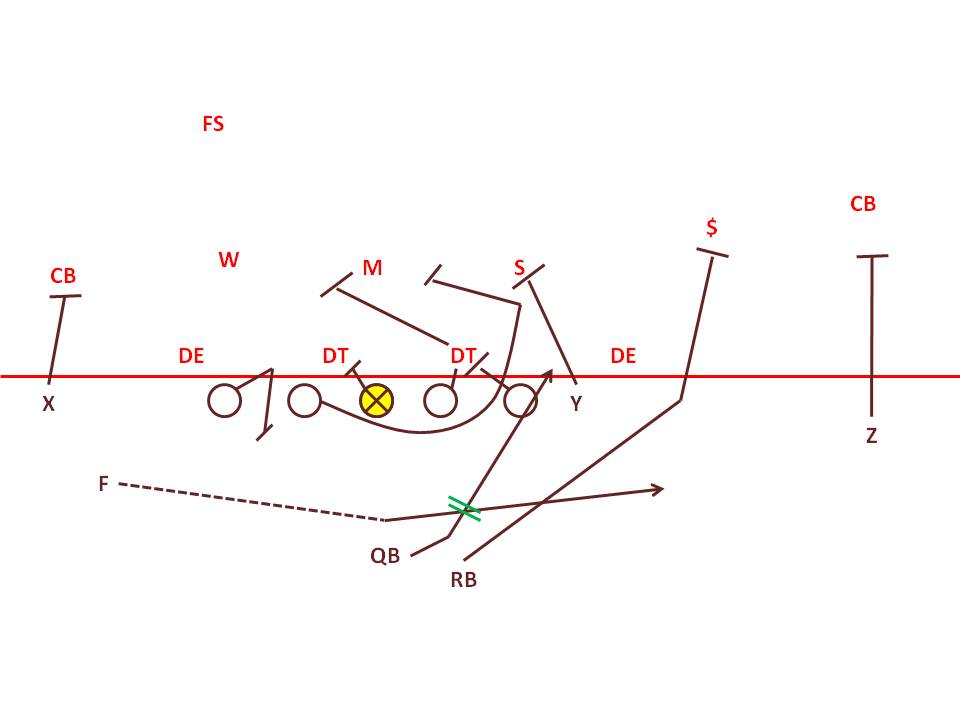
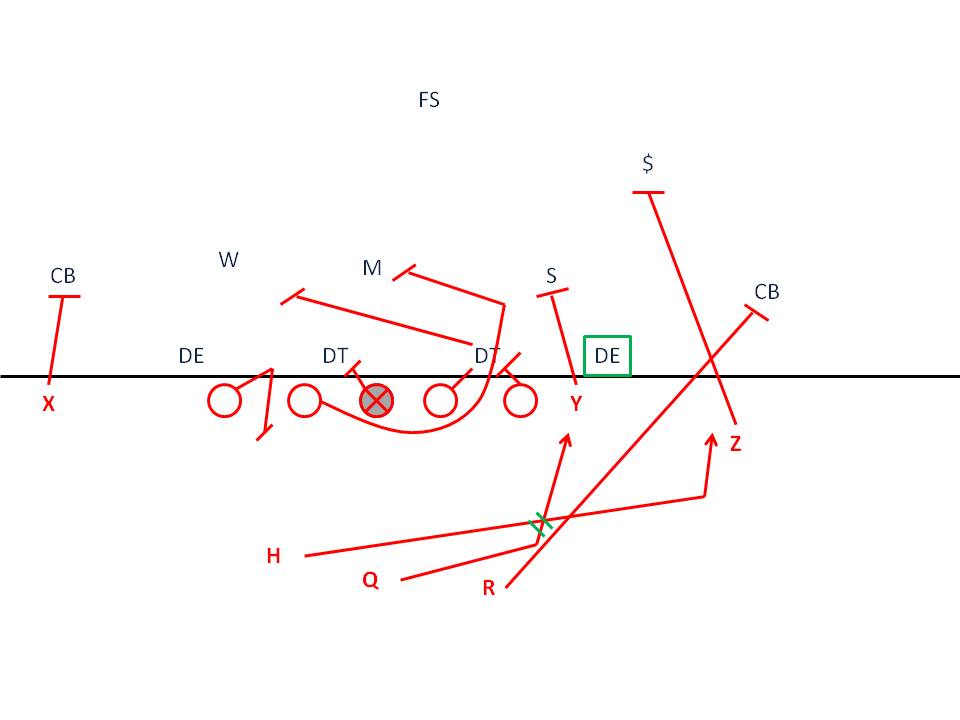
The main form of the Golden Gophers is the traditional Power O game, but rather than being annoying, Minnesota often takes it with a shotgun or shotgun.
They will also use different versions of Power O such as One-Back Power, Two-Back Power QB Power. The blocking model is more or less the same for each of these games, the difference is usually in the background.

For example, there is back strength here.

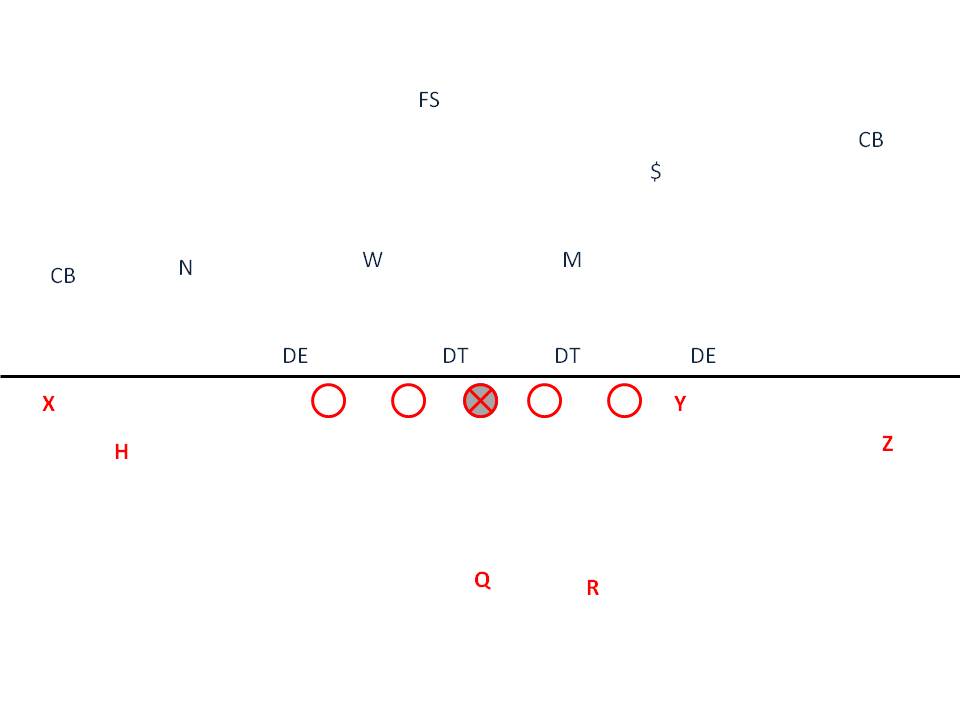
Slayd1_orta:

Compared to the power of two rounds.

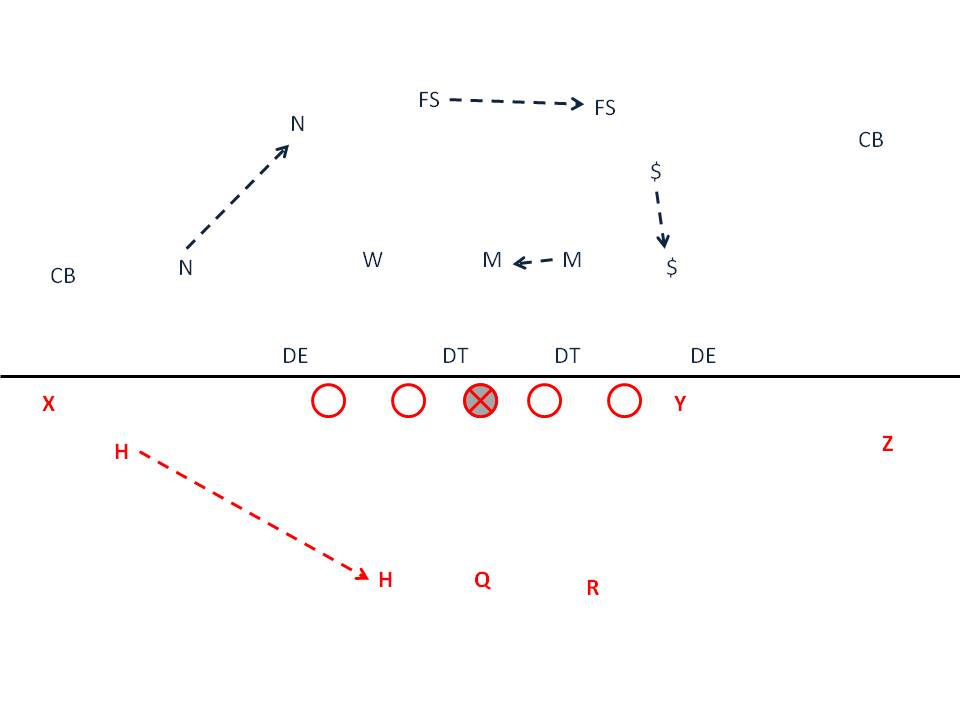
Slayd2_medium:

Note that the difference is that the blocking power in Power with one defender will be TE online, not RB. Now they are using the power of QB here.

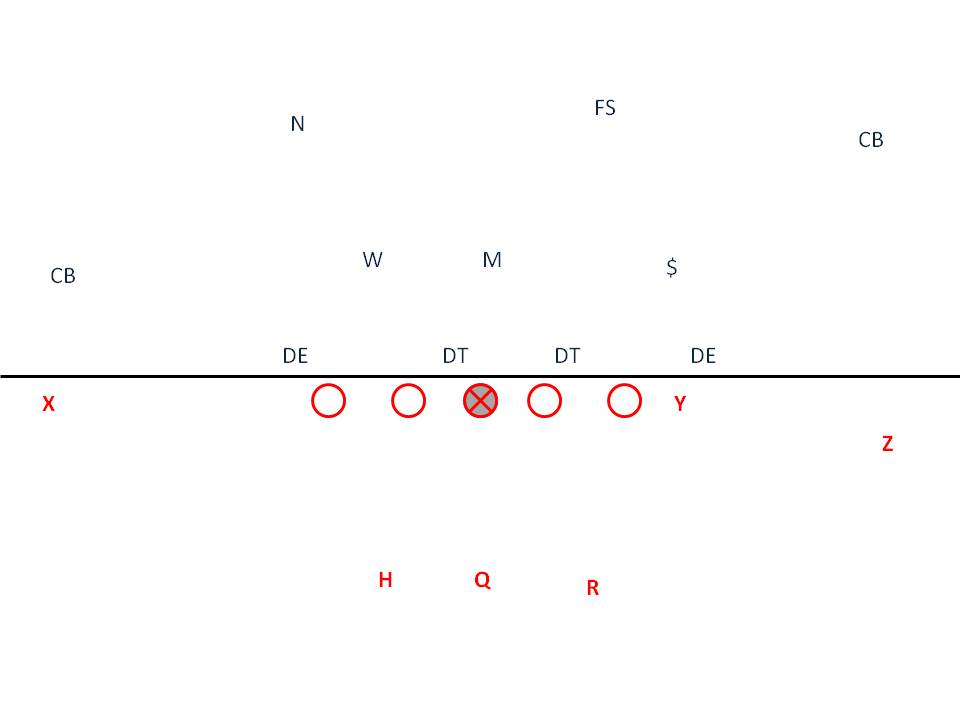
Slayd3_orta:

Notice how CB does the initial calculations. This allows RB to take the lead, acting as a blocking leader, as well as allowing drawn OG to hit the hole in front of GB.

Read the inner rope
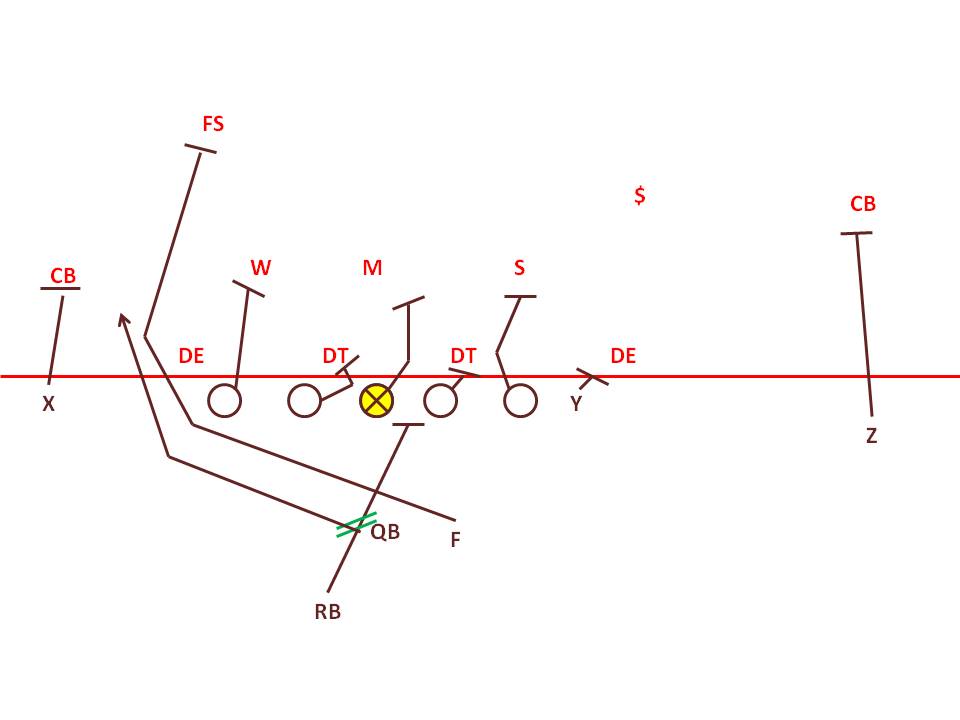
The deep zone is a key element of Gopher's attacks. It works well when combined with power, but also attacks when dropped. In this case, Minnesota usually associates it with the QB reading.
Skyfie4_medium:

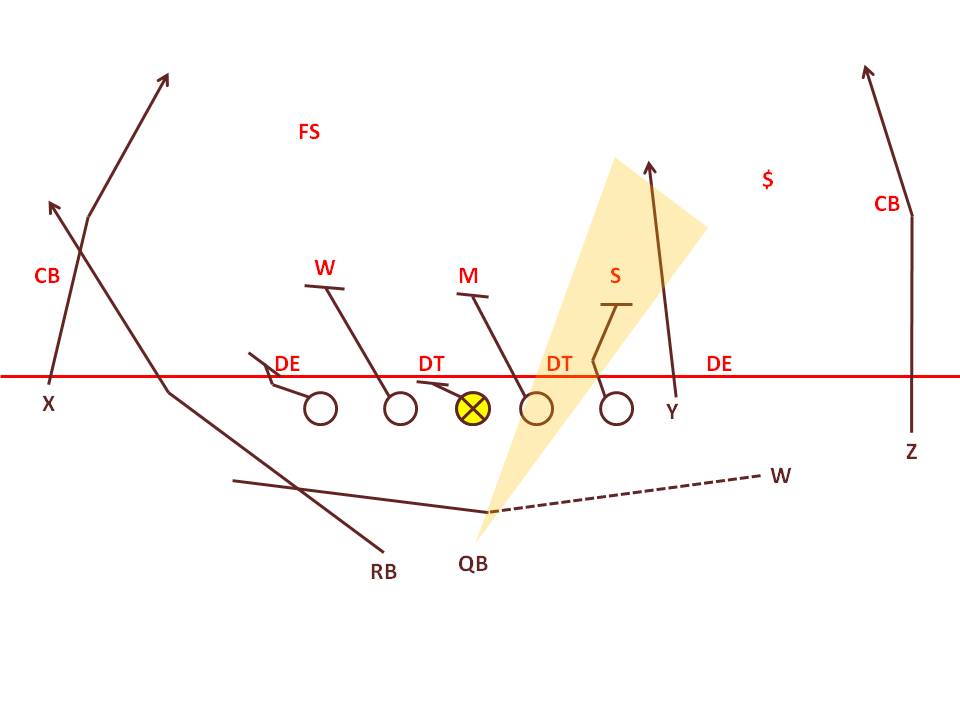
One of the things that Minnesota has done for mobile QB is to run a game similar to a reading game, but instead of cutting FB, it tends to bend blocks to the second level.

Skyfie5_medium:

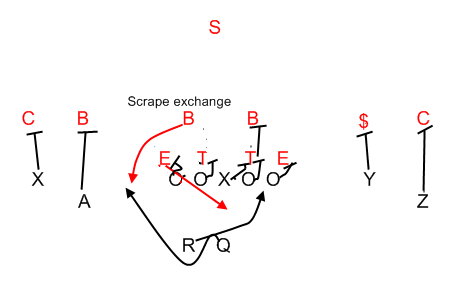
At first glance, it looks like an inner circle for all intents and purposes. However, to prevent the QB from escaping, the DE is taught to push the inner belt while maintaining its limits. When FB accepts the remaining angle with inclusion, it essentially closes the section with DE, which is very active inside, isolating the second tier inside the QB. This is a great way to fight DE-sent discounts and LB-sent "for DE-traders" discounts. Both players are now out of the game, which is why Minnesota was so successful last year.

inkjet cleaner
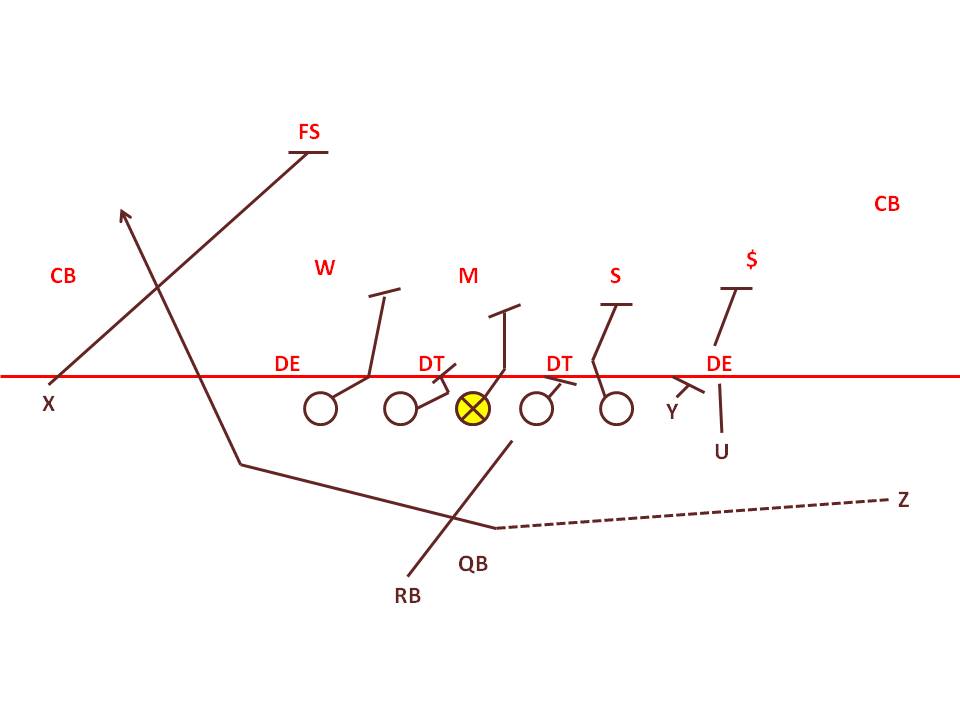
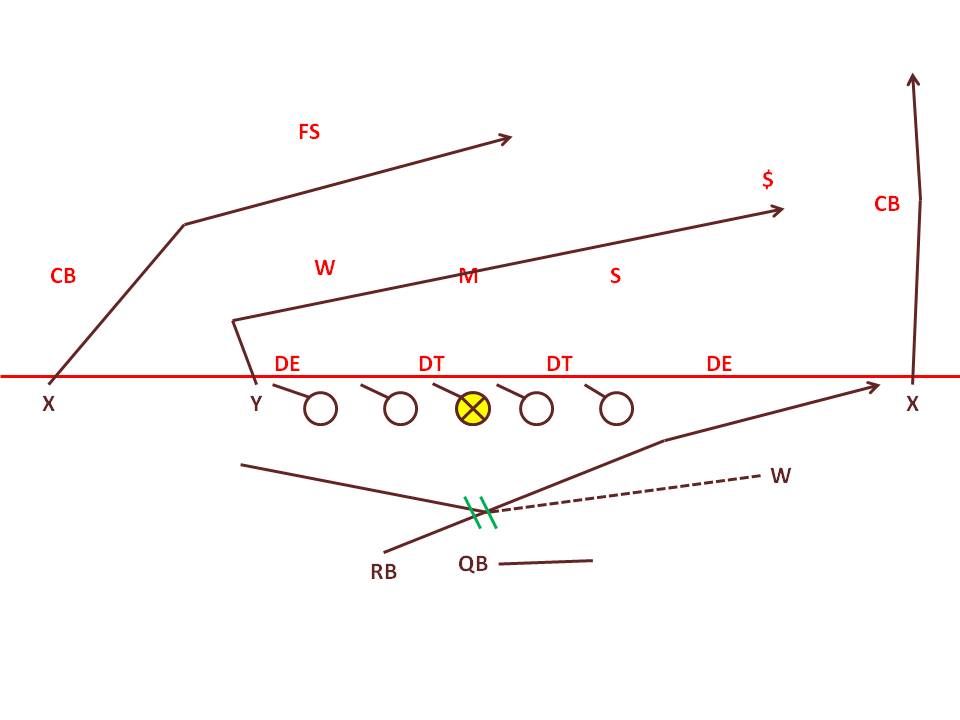
What is clear, Minnesota loves to dive. To hit the edge a little faster, they pushed the WR and passed the ball through the jet swing.

Skyfie6_medium:

Overall, the locking scheme here is the same as the inner zone. The idea is that an already active WR would be too fast for the DE to stay inside and allow attackers to attack from the outside. But if Minnesota wants to attack from the side, but the DE doesn't shrink or expand (or the defense tries something like a cancer swap)

Skyfie7_medium:


In this case, Minnesota simply blocked the front, taking RB by RB. Minnesota RBs must not only be able to hit the ball from deep, but also be good blockers, use good levers, and use the right angles to block defenders in or out, depending on their position and angle of attack.

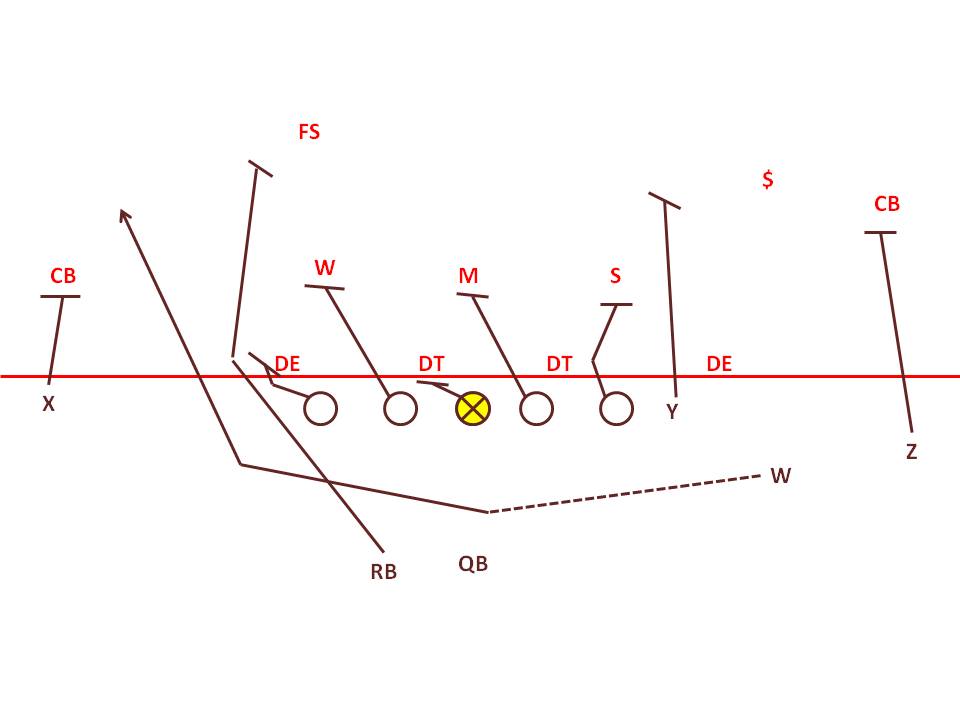
Fake rocket
As we've seen above, reactive whipping is often accompanied by other play, either inner belt or counterattack. As such, a fake whip can be used to "close" the finish line at the collision line, as the defender will be instructed to hastily hold WR.

Skyfie8_medium:


In this case, you see Minnesota leaving EMOL to block WR, and QB reading the next defender inside. These are two players that must be blocked to act, not to attack.

Theoretically, the same could be done to power the Power O in the form of a rotating jet engine.

Skyfie9_medium:


Or less commonly, the theory is similar. And here is the standard power of RB with reactive action. Note that a faulty transmission to a reactive receiver acts as a blocking unit in this power connection.


And as per the main game mentioned above, Minnesota can also use reverse play. Although the blocking pattern is different (Power O is now an example, not a simple game), it has the added advantage of being WR's main blocker option.

Fake Jet Sweep Ticket:
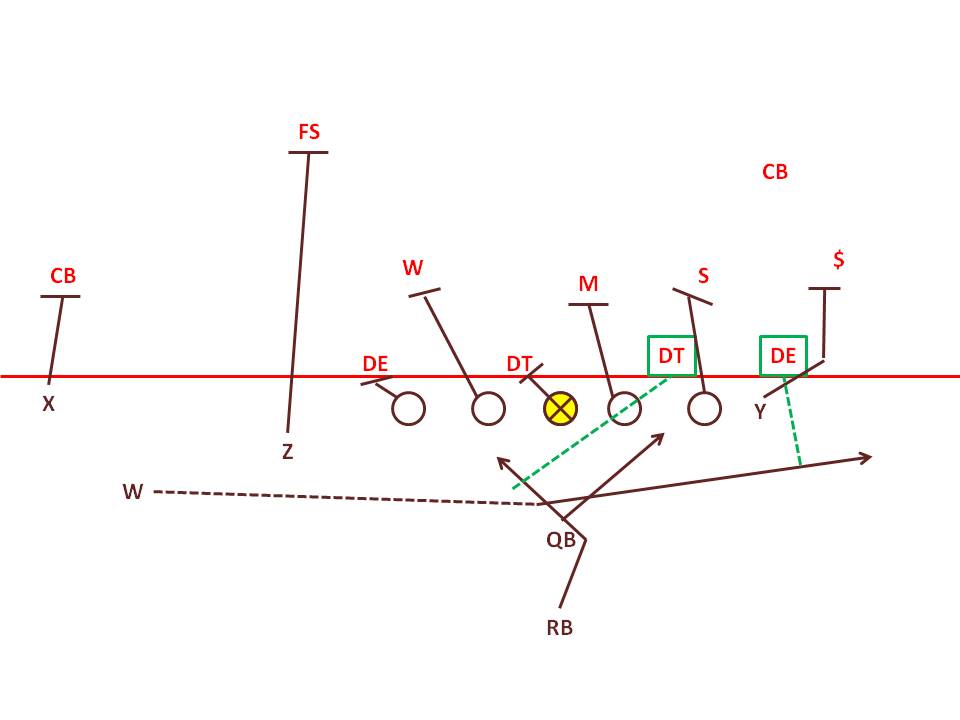
And none of this prevented Goffers from passing the ball. One of the problems many teams face is that they rely too much on running to keep the defense fair. Of course, the receiver, with the exception of the start-off, is basically out of the transfer game, but the defense must advance for two or three different dangers during the flight, they must spread horizontally on the short belt.

Open the case.

Minnesota_run_game_medium:


Slayd10_orta:


As you can see, apart from the regular PA, which would be effective for jogging outdoors, there are different routes designed to attack different starting scenes that don't result in the transfer of the WR plane to the RB. In addition to the traditional running game PA, they can concentrate defense on vertical locks, as well as turn them sideways to surprise with big air pieces.

Packing:
Nothing Minnesota does is overly complex or innovative. What's this. This is a very simple theory that works together to attack the defense in the middle of the blow. There will be some breaks in this team, but it makes QB easier to read; Having lots of people on the ball keeps them all fresh, if your RB is dynamic enough to be a good universal player it will be hard to keep up the many options that the same staff always provide.

Wednesday, 29 June 2022

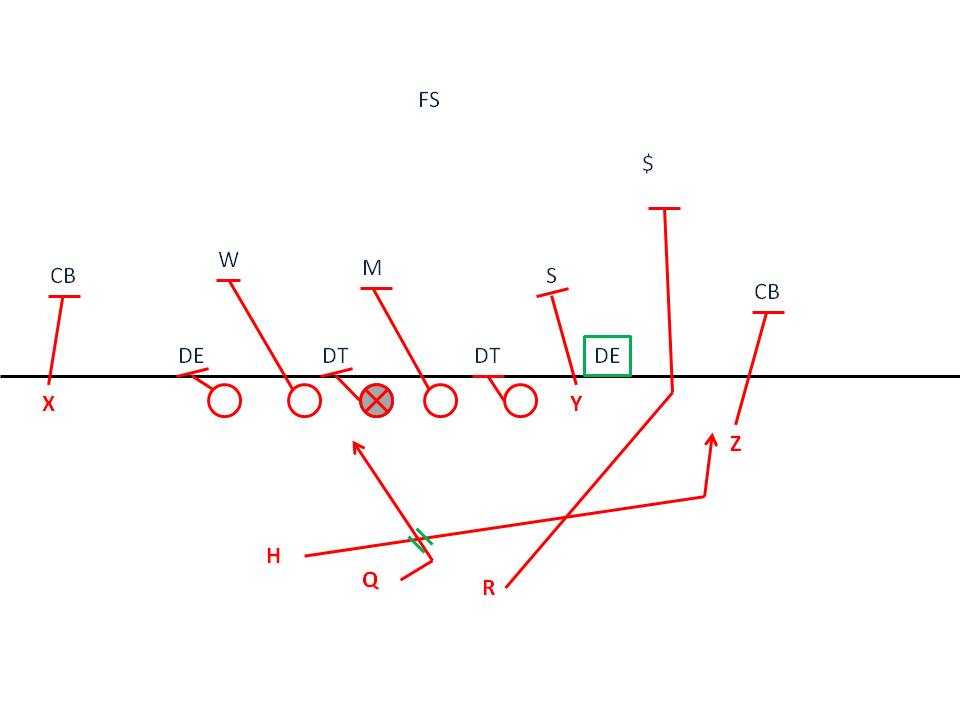
Inside the Playbook: Ohio State's 2-Back Offense

ORIGINAL CORN N BREW PUBLISHED 07/25/14

Ohio had some of the best crime in the country in 2013. Part of the success came back from two sets, or rather, a gesture to the receiving slot - the role of Percy Harvin - behind his back. I think they lost the best RB in college football last year, but with the return of the dynamic Braxton Miller and all of their Harvinites, it's likely that the two defenders will play an even bigger role on offense this year. In this section, we will see why it is so difficult to defend this set of defenders both before and after the click.

Slide4_medium

Dilemma before filming
The base set of Buckeyes will have four vertical threats. Often there will be 11 employees with split ends, slot, H-back and RB. Sometimes Meyer gives more than just a real view of the TE, including sides and grooves, or shows a set of movement types.

Assigning 11 or 10 employees instead of 21 or 20 represents a completely different approach to protection. Let me explain.

Of the 11 workers, four vertical threats were involved in the attack, one of which kept the horizontal threat and potential weight on one side of the field.

Slide1_medium
Probably, in this situation, the protection will be forced to use a nickel screen. In addition, shelter defense can be used in 3 different ways, which is very dangerous with four peaks. The defense is then forced to interact and make changes to mitigate the potential risk associated with these four vertical threats. The Nick Saban Fight Zone is a product of the three-team Cleveland Browns' surface used by the Pittsburgh Steelers' four verticals. Mattison (while in Michigan) placed his Shelter 3 right on top of a flat back (usually a "Support" lever guard or LB "Buzz"). #2 and just read #3).

But now the slot is moving to the back row opposite QB. Your defense has made all the calls, settings and communications, and suddenly they present a completely different spectrum of threats, especially in a racing game.

Slide2_medium

Slide3_medium

Now your old gaming options and various racing situations come into play. Your cover 3 or cover 4 should now fit nicely into your new look. Maybe you change the lever to a ledge (e.g. install a 3rd cover with what I call a "5th cover", which can be a three-tier cover with a "foggy" CB lever; set a 4th cover in the middle of the cover 6- th quarter). So all the new reports and checks that you need to do quickly, and all the new threats that you need, appear immediately in a new form. But you want an employee who can embrace both and has the intelligence to quickly adapt to both.

double race
Now we will see how OSU launches several games that will be launched from the last two sets. We will briefly explain the theory behind each part and how they work together as a group, but to save this post a bit, we will keep it fairly brief.

offensive trend
Defense has a few small advantages over Buckeye doppelgangers. It is almost certain that the initial RB will go in between attacks or serve as an advantage. The motion receiver (H) is almost certainly threatening to leave. More often than not, the spins will move in the direction they crossed the QB as they move in the opposite direction of the original alignment.

Straight upside down
reading ability
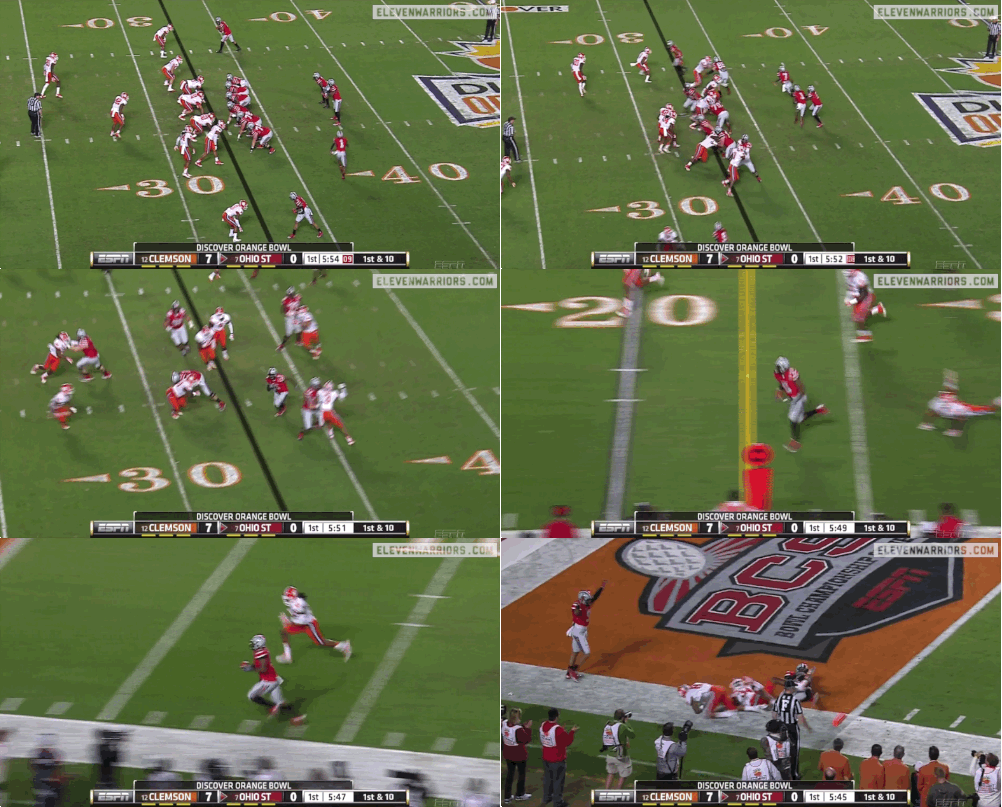
Power Read , colloquially known as Inverted veer , is an ink overlay scheme that uses a Power O block in combination with a read. I have previously worked on reverse tactics and how they work, discussed and demonstrated them in detail elsewhere.

Slide4_medium

osu-take-read_medium

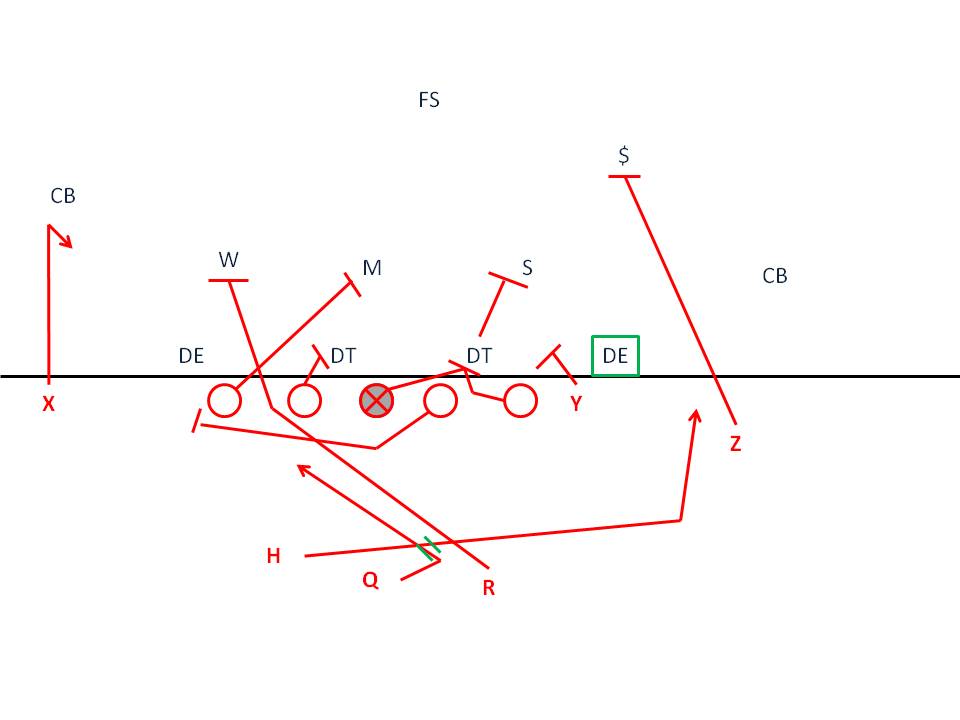
QB Bash
This seems like a reverse tactic, and the main reason known as "reverse belief" is the preferred terminology. Again, H flows straight ahead of QB. However, instead of the Power Lock pattern, blocking the inside zone in the opposite direction of the H movement is used before the start of the game. Usually in the inside field, FB blocks the H-back chase, but in this case, read the blocks to read DE. RB will then avoid EMOL and attempt to block the gang's defenders in case of alienation.

Slide5_medium

Hiedjr1_media

Boy Trey
Now let's go back to the man block template, but this time we'll run the counter trey type block template . This also works with a single H-back, the same works with a double back. In this case, the H-equivalent protective cover will be pulled and corroded from the rear side of the DE. In the meantime, the RB will go through the hole and block the pull of QB if he holds on to it. In this case, QB can still read in favor of DE's game and decides to give it away if it fails in favor of DE's game. It works like this: the initial QB pass (playback slide) is followed by an H move to get the exact Power Read view after the field.

Slide6_medium

Thus, the background can look the same in three different sets of games, and in all cases, RB threatens from side to side. Meanwhile, Power Read threatens from the inside and plays with QB, QB Bas threatens from the inside and behind (with a cut on the side or outside of the game) and Counter-Gray, who is a little more dangerous on the outside (cutting a step inside). ) for the back. With these three games, any horizontal field of the field is basically threatened by two players and a blocker from above (adding a bubble screen in the background, or adding a playset with blocks - as shown in the opposite picture - can actually stretch horizontally). region).

Reading Features
We can also use RB as FB and continue to threaten the scoreboard. However, this time OSU QB will read DE (or sometimes DT) while OL uses an outer zone blocking scheme. In addition, QB allows you to threaten the background of the game. Several defenders read and added the threats, which caused problems for the defense.

Slide7_medium

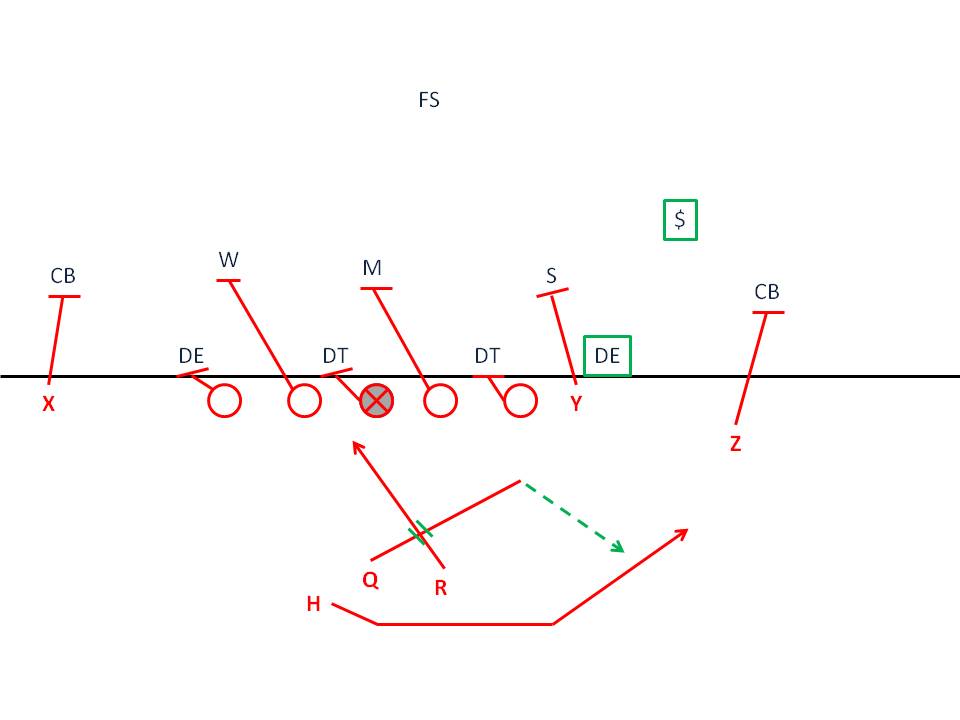
triple choice
But if you have a RB like Hyde, or any other RB on the Buckeye list, it would be pointless not to use it in a racing game as well. Also, the defense reacts to something else. Also, the defense works just like any other crowbar that tries to stop the standard "reading" game. In this case, OL will block the inner zone in the original H alignment. RB will play standard inner zone playback depending on the type of reading, and QB will read DE. If DE remains, QB is returned; If DE fails, QB remains. If QB defends, he looks at the defender outside of DE and reads it. If the defender plays QB, roll to H; if the defender continues to expand, QB holds and cuts the field.

Slide8_medium

Here's a clip from OSU using a separate pad design (again blocks H-backs all over the plane).


sailing route
Now the guards are back to stop the race. They threaten in both directions between opposites, they threaten in both directions. Even now, as a flood concept , the screen model offers easy QB reading as it threatens any defense because it loads one side of the field. Since it has three different levels on the sides and paths that threaten the middle of the field, it can pile up multi-meter large blocks and immediately threaten the end zone.

osu_2_back_offense_medium


Conclusion
The two rear kits offer different racing games. I have already written about the use of multiple backs in running games, both standard and readable . It also threatens jet swash , which has its benefits. Adding an extra defender to the backline reduces the vertical threat and reduces some of the ability to split the field horizontally, but adding a wrinkle to the attack distribution also adds what should be a defensive factor when preparing your team. And OSU is making good use of this stronger roster, as are all other college football teams.

Saturday, 18 June 2022

Film Review: PSU Belly Read and Belly Counter Speed Option

Penn State made a nice crease in combat action against Michigan. While most teams are unarmed, including the reeds in deep areas, the Nitani Lions prefer the snowball method. In this article, we'll look at the differences between the more common Inside Zone run , its inverted run with the belly variant , and the preferred speed variant of the PSU . A few weeks later, Rutgers tried the same strategy, to no avail. In this article, we will discuss the differences between the groups.


Inside the reed zone vs. reed belly
First, read Rutgers in the split zone here .


Here the power pack drives Belly Reed


Week Structure Structure
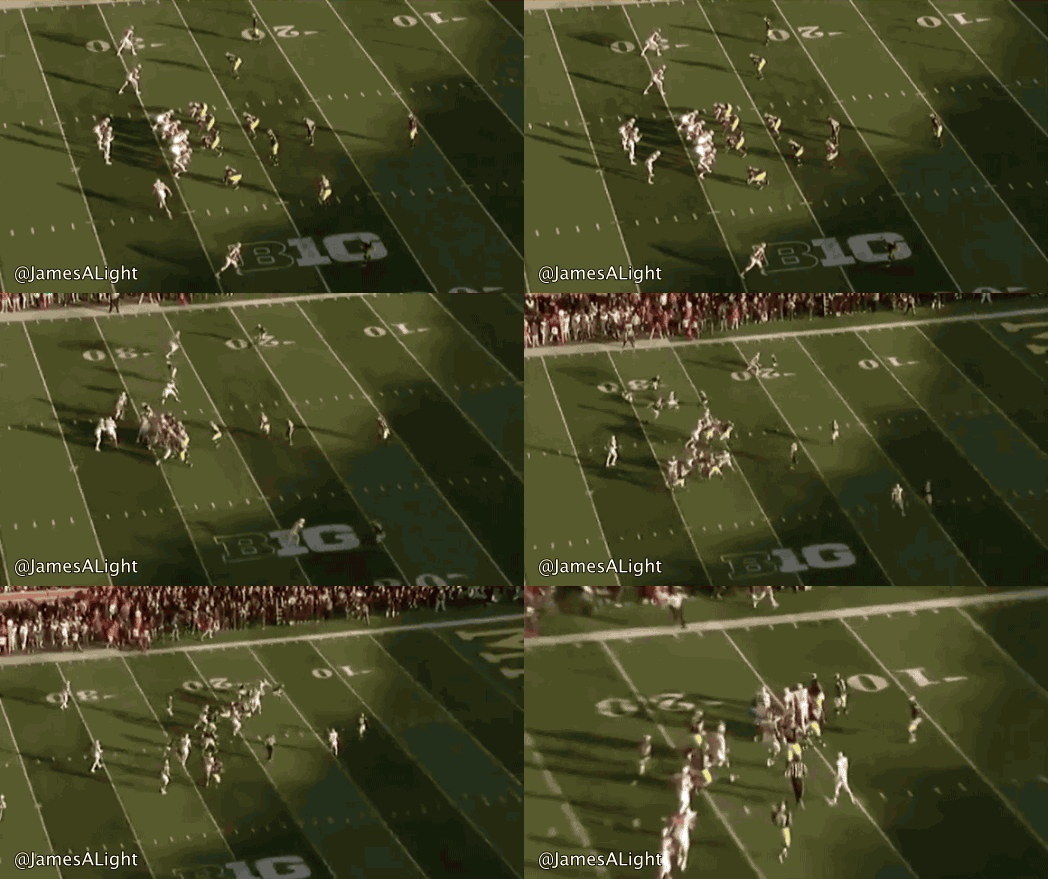
The first thing I want to show you are two screenshots, one from the Rutgers murder and the other from the Pennsylvania murder (we will compare them a bit in this article).


Note that both RBs are set at 6 yards. The difference is in the QB alignment. PSU QB for 6 yards, Rutgers QB for about 5 yards.

So the wrong spot for Rutgers is 5 yards behind. At Penn State, he moved forward after hitting a QB and the net started at 5 yards, but the net wasn't cleared until the ball was just 3 yards from LOS.


Both sides have reasons for doing what they are doing. For Rutgers, that slight difference between QB and RB is common throughout football, especially for teams looking to utilize the interior space. The offset allows for a smaller seat angle to control inner area and slows down the QB bar slide (allowing him to focus more on reading).

On the other hand, one spoils one's plans by adopting the Arabic language more deeply. It's very difficult to keep RB out of line like Power Reed . So let him bend over after this calming move. Reed forced defenders to sign before the long count was read, but that meant the ball carrier needed more time to catch the ball and create drama (remember one of the keys to deep zone is that to shoot the ball as far as possible). . .

To remove the point. The power supply also controls the inner zone. Check out McSorley's footwork here and note that it goes nowhere, remaining mostly flat (mixed with a false back point to change it up a bit).


What to do with the stomach
The same applies to the line of attack in front. Together, they made their way between the defenders blocking the inner zone, mostly as easy-to-understand defenders. The difference is mostly in wrong points and thus how the defense is attacked.

The starting line for the RB is usually the middle hind leg (not the near hind leg to protect the ground as for the inside zone). It usually reads the center block (0 to 1 RB orientation) and the first part is created from that pivot point. The second floor is more defensive behind or inside the center block. This should all sound like a couple of inside zones. But depending on the protection order, the rules changed a bit.


In general, it brings the aiming point closer to the Arabic alignment than to the inner zone. Usually Penn State uses it to attack 0 or 1 technical DT.

speed selection counter
Just like in the original Heroes Belly Play Out, Belly Reed lets the LB hit hard on the inside, otherwise you can get hit quickly. When the grid point moves very close to the LOS, the LB must be ready to fill the hole created by the exclusion zone and build a wall in the LOS. That threat forced a response, however, and because of that, Belly Reed Look's speed choice was terrible.


See options here. Note the first moves in both QB and Arabic, such as Bellie Reid and LB's reaction as they attempt to build a wall in LOS.


The counter pull easily sweeps the entire LB defense plane as it has the same initial appearance (it's blocking the gap for the moment, but the movement is the same as in the deep zone and the back footwork is similar to the stomach stick) .

Let's see if Rutgers try to do the same in a week. The inner zone doesn't fake the same reaction from the running defense. Wrong point is way back, QB footwork is slow and harmless. He doesn't hit the GO button, in fact the first few steps to play action are usually the same. Can it work? Of course you can hit big in the inner zone first (note: Rutgers has never been successful in the inner zone before, but PSU couldn't control Belly Reed either; warning is the biggest threat. Berkeley vs another Arab).


The counter's movement causes the LB Michigan's mirror movement, but it happens. Yes, the defensive threat is significantly lower than PSU's Rutgers, but PSU manages to pull off a TD with almost all of the top 10 RBs in a select game.

Additionally, Belly Reed's threat allows this Speed ​​Options Counter to essentially take OL out of combat. Basically, when PSU lays one side down, it is separated from the offensive battle line. The first long run was dead on the court, which was a great shot for Berkeley and the defenders from behind to get the job done, but the block was at its best. PSU was able to plan the drama to limit the impact of DL and OL games with Michigan. However, it's worth noting that at one point in the film and in the weeks that followed, they fought ODU and MSU to do the same. There's so much you can do to hide a struggling OL (which heals the PSU's Achilles heel).

Thursday, 16 June 2022

Football Fundamentals: Belly, Tight, Inside, Middle, Outside, Wide Zone Runs

You see it everywhere. You can see it on this blog. People talk about tape, first they talk about "inner zone", "outer zone" . Then you will hear football ideas, "narrow zone" and "wide zone". In many cases, they will be the same as before. But they don't always exist, and there can be a slight difference even if not everyone agrees on the name. And ("30 by 30") is something called the "middle zone" or "middle zone" (not to be confused with the center line). These are all concepts at certain levels of football. Many coaches combine these plans with adjustments to close the gap. This teaches them to properly understand these few concepts without worrying about the players' hidden perspectives. But some very good trainers will teach you all these concepts. In this article, I will introduce the letters of each concept.

(This H/T post was inspired by Chris Brown after a tweet after Smart Football .


Belly belt
This is a subtraction game. The target RB will be the front slot A, when closed, if necessary, depending on the direction of protection, C will return to the entrance. BOB is a game that can work well with the blockchain, and with EMOL, it helps maintain volume by allowing FB to operate at a secondary level through LOS. Knowing that the OLL in front of you is a game designed to work with the DL shoulder can help if the boys immediately close in the creek or in the shower.


As for blood pressure, I have already talked about the abdomen . Here they changed the destination from the rear A-hole. The show is still slowing down a lot, but it also has the ability to jump ahead. BP combines a classic strap with an RPO TE-Readable route for later use while trying to avoid cuts.


Tight belt
The narrow area can be a little difficult to get out of the I-shape because the RB path is too narrow. The goal of this game is to break A on the playing field, but now he has a chance to run to break the previous container or gap B. The main difference from this "inside court" is that many teams combine to some extent two programs, for example, a defensive ball and defensive tendencies (online games, LB blitz, etc.). However, the leg of the RB is slightly different (they fall on the landing of the LO).


This is a more common shot than the shotgun because it is easier to shoot. Bands like OSU (especially in Herman's hands) did it over and over again. Again, this allows RB to work a little deeper, reinforcing QB's approach.


(Note: not all are narrow, but many are. Note that OSU often had a reading in which "Veer" was read as a front DE).


Internal environment
There is a lot of talk about the Hinter Region (again, some call such plans the "Narrow Zone"). The purpose of the RB is now to jump (forward C-span), hit (target), or cut (reverse-span). This game is often associated with split zone blocking (as I've shown in all of the I-Shape circuits), but some BOB or Lead blocks can be used (especially for weak side contests that you can't double in LOS). :


He is also a renowned fire evacuation technician and knows many defenses .


Middle zone
The central region often forms an "elongated belt" along with the outer region. The idea is that blocking the shield is very difficult, usually by lengthening the shield with strap blocks and cutting it inside. Here the target of the RB is to break in front of C, such as bending the outer zone, bending (shortening the pitch of the A field), hitting (going on the road) or jumping (going out of defense).


And he can easily get away from the gun.


(Remember the big video moment. You often want to block the leader in the Central Zone or you won't get SAM traffic, which is often all it takes for a successful blockchain plan.)


External environment
You still do not expect any benefits from the outside world (although you receive). The main difference between the central zone and the outer zone is the outer TE (span D) at the destination of the outer zone.


And according to various readings , the unit can be used for your own good and shoot from a cannon.


Other names for this are "stretching" and "wide belt", although in this article I will distinguish between "wide belt".

Wide belt
Rip, run, reach, take advantage at any cost (that's why it's called the Naked Site). The inside of the OL is made of "parabola", which means you can dig a little deeper into your feet. Here the RB target is usually 2-4 meters away from the attacking EMOL. In terms of protection, this will be very similar to the outer area, but here your goal is to achieve this advantage. The road is blocked. Keep in mind that nasty EMOL can't force you to "get to the top of the mantra like another crime, otherwise you might have an EMOL supporter behind you.


This can be seen from a small gun.


This game has largely been replaced by Flying Attacks, Pulling Pins, G-Lead, Back Sweep and more.

Monday, 6 June 2022

Inside the Playbook: Bluff and Go RPO


Presentation
At the university (and high school) level, RPOs are becoming increasingly difficult to prevent. With loose rules on field players, defenders are forced to maintain long and long coverage after clear points. There is no game other than Bluff and Go RPO.


Original - Reading environment
When the reading area was first installed, it was as easy as walking in one direction, falling backwards, and completely unprotected.


But they know it quickly: If you want to be a QB, all you have to do is stop following DE. Run a garbage business (or other game) if you want to trick Cubin into saving.

Smart football


There were two main ways to soften the attack. One of the three alternative versions was running, which allows the QB to always be correct. We will return there. Later, defenders began using the arc screen to effectively block attempts to prevent QB reading.

This wild arc has become a major theme in football in recent years.


And when the defenses are adjusted, attacks also occur, two forward blocks are sent from the defensive position, and the scattered elements begin to enter the dense and heavy structure.


 Original - screen action

In the early 2000s, Rich Road offered a three-fold option to read in the new field.


But he did not want to force a double attack, so he changed the Pitch Man screen bubble three times to RPO. As the field expands, bubble man field becomes an option, and field-side WRs serve as external blocks for DBs outside of the "Peach Reading" shield (usually a tip type shield).


As more and more teams return to the bubble attack screen, they will begin to see QB Top Defender being dropped by numbers, especially during the ongoing game.

Fish duck - As the group often beat the bubbles, they began to avoid safety measures in the bubble action or immediately followed the bubble action with its top defenders or both.

The strong natural response to this defense is similar to the concept of game action, which I often call " screen action . " Externally, the initial movements are the same as those seen on a regular screen game at one step and at a crossroads.


Screen action works with different WR screens . I will return to that in the next article.


RPO Bluff and Joan

I first saw this idea in Ohio State vs. Michigan State Week 6. Although I'm sure it was implemented for the first time, it was a great idea because MSU is trying to get the CBs to the edge to protect the QB address.


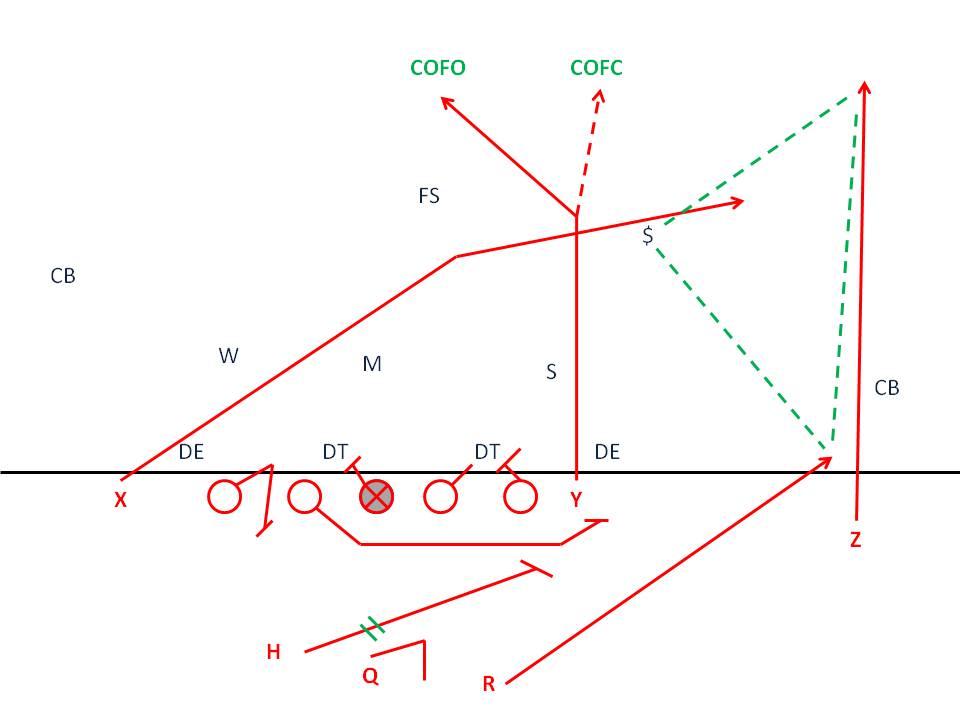
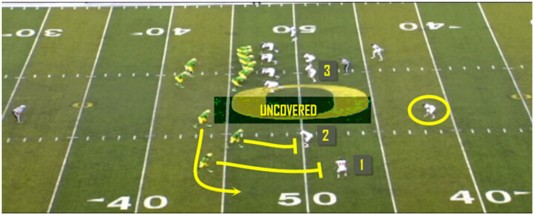
Here the Buckeyes are effectively implementing the double concept behind the wheel. The Spartans play in the back field with the outside stick and eyes using an extra cube in cover 2 / trap mode. Messages # 3 and # 1 work to block security. Meanwhile, CB Bluffs # 2 seems to be clearing the way between MSU Apex Defender and CB. Once the CB is attached to the rear eye, it returns to the WR field and returns vertically behind the CB and out of safety. The original concept behind the wheel is a good use.

Note that OL does not preclude. This is not an Arab ARPO. The only rush option in this game is QB shuttlecock or shuttlecock, which acts as a place to read the action in the background.


A week later, both Illinois and Michigan share the same conceptual differences.

First, Michigan. Here Michigan 3x1 starts with 12 employees. Indicate overview of the arc field (this is a stream outside the room area )


Nub TE first deletes the DB block from the outside. When DB jumps out of it, he breaks the te and returns to a corner.

The good thing about the knot is that it often emphasizes the known defenses. This adaptation can come in the form of "copying", CB is following the WR on the opposite side of the field, "copying" when security is now in the hands of an outsider, or when security is at its peak. ) Or employee (CB is currently responsible for establishing the benefits of the race).

Here, the dB, which is aligned with the umbilical cord, is clearly seated at the tip of the lead and is placed on the te to protect the outer rod. A single MOF is highly secure, facing QBs and WR sides on the field and eagerly matching the numbers. All of this means that your priority is to support TE, especially for someone who works far away from you.

Note: The offensive line is being blocked (maybe a little more) and given a chance.


Note that following the grid point, the QB works directly horizontally, as if it were initially slightly backward. This path gives you a distance from the DLL and gives the CB time to attack, cover or move (ie, extend the CB reading time). In this case, the QB is reading the database in the receiver, and has the ability to perform an in-depth security check to prevent it from working.

The exciting thing about adding Bow Block is that Michigan will try to implement the idea earlier this year. Here CB gets deeper and WR can never be blurred and narrow enough gaps. No problem, there are key attackers to make the QB implementation plan go smoothly.


Illinois later came up with the same idea but came up with the WR series.


Here, WR relies on the blockchain in CB. CB will give you an internal release and WR will return to the generation. The internal opening makes the transmission angle extremely difficult, but the WR passage can vary from CB to fall.

I want to add bubbles at the top of the screen. It does a lot of security in that direction, but it does a lot to draw LBs that way. In addition to the high level of coverage, you will also receive free border protection support from the central bank, so avoiding protection from other areas can be of great benefit.


Surprisingly, the Michigan bluff go to Arc Zone and MSU RPO is back.


Here, like Illinois, they run from a 3x1 field, only one receiver is a common WR. Unlike Illinois, WR fractions are compact. It helps a lot. When WR moves through the collection block, it can gain space and have more space on the side. When it hits the screen and the CB eyes start to go back, WR can break and win the side line, which makes the QB pass angle easier, and Michigan gets a simple TD.


The final point is the final game of the year against OSU. OSU, under Nickel CB, is called Defense 4-4. When Michigan moved to TE-Wing with 12 employees, CB WR resumed. This means that LB was responsible for this structure.


To make these LBs more controversial, Michigan uses a zoning concept, which seems to protect the OLB division zone. RPO enters opposite RB. When you look at the QB's deep security, you can be sure that the LB is getting support from above. Without this support, you would be worse off knowing that your TE is LB 1v1, and at most conflicts with the performance provided by the LB TE partition.

In addition, the structure of the TE wing allows it to be expressed within the internal TE structure , which normally results in protective coating problems, as the group is forced to care for receptors with internal LBs rather than wings. They are especially known for their outstanding performance. You_ _

The TE layout acts as a "compressed" WR partition, which gives a lot of edge space. Here, with the defender outside Los, it can be assumed that the TE has closed the box. These trunks allow you to work towards the tip, not to the side and not to the side of the corner.


2022 WNBA Week 1 National TV & Streaming Schedule

Friday, May 6 19:00 - "Indiana Fever" at Washington Mystics   Facebook : Megan McPeak, Christy Winters-Scott 20:00 - Los Ange...