Showing posts with label Minnesota. Show all posts

Thursday, 30 June 2022

Inside the Playbook: Minnesota's Basic Run Game Attack

Originally published by Maize n Brew on May 29, 2014

Related Press:
Minnesota is one of the most popular teams not only in B1G, but in all of college football. Not only are they tough when it comes to how well they manage their football, but they are also the core of a team that wants to be strong runners. Most of their runs are between dives, like the inner belt from Power O to RB or Power O QB. With such strength on the field, there is no speed to threaten the team. So the way to take their football to the extreme is not to switch others or activate the WR screen, but to use WR in a different way to activate the whip. Not only did humiliation become commonplace to them, but they used it to make another escape. In this article, we'll take a quick look at the main Golden Gophers games and take a closer look at how they work with the rest of the gamebook.


On power:
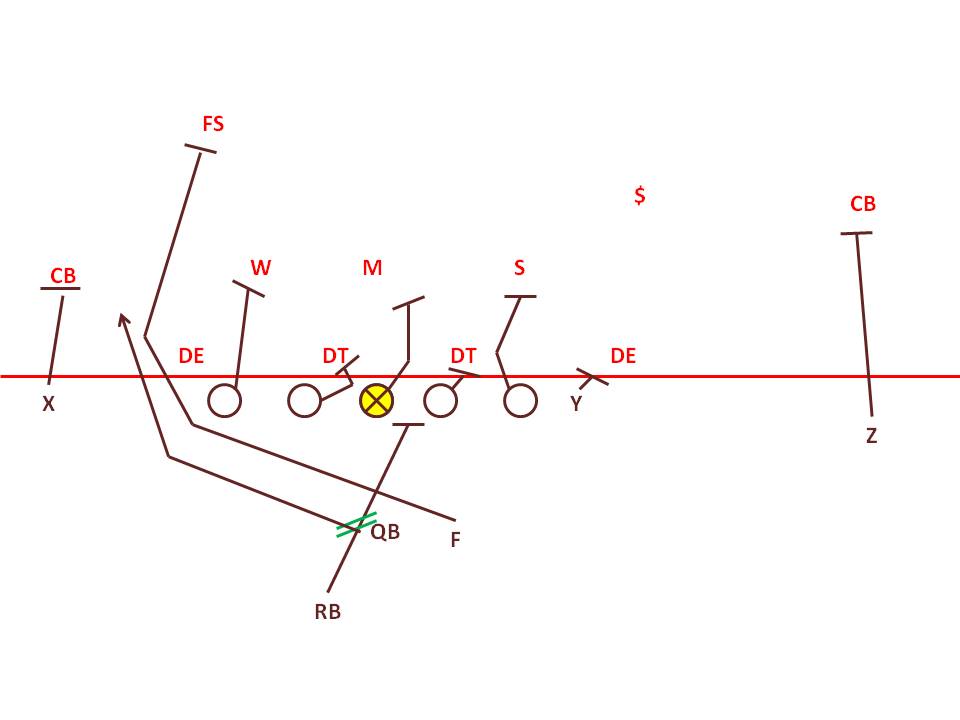
The main form of the Golden Gophers is the traditional Power O game, but rather than being annoying, Minnesota often takes it with a shotgun or shotgun.
They will also use different versions of Power O such as One-Back Power, Two-Back Power QB Power. The blocking model is more or less the same for each of these games, the difference is usually in the background.

For example, there is back strength here.

Slayd1_orta:

Compared to the power of two rounds.

Slayd2_medium:

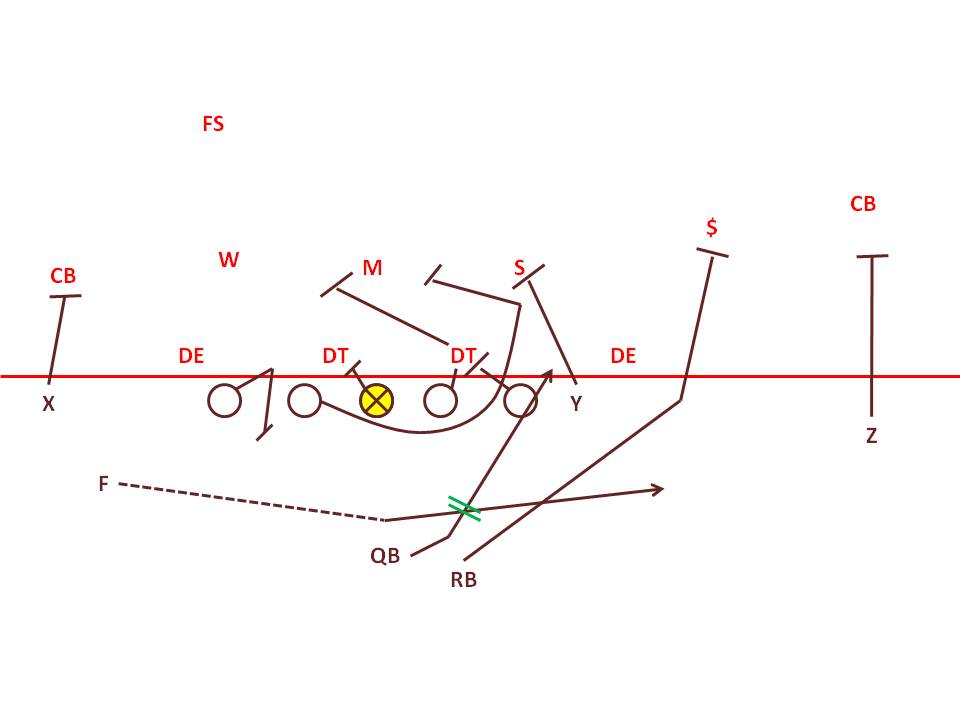
Note that the difference is that the blocking power in Power with one defender will be TE online, not RB. Now they are using the power of QB here.

Slayd3_orta:

Notice how CB does the initial calculations. This allows RB to take the lead, acting as a blocking leader, as well as allowing drawn OG to hit the hole in front of GB.

Read the inner rope
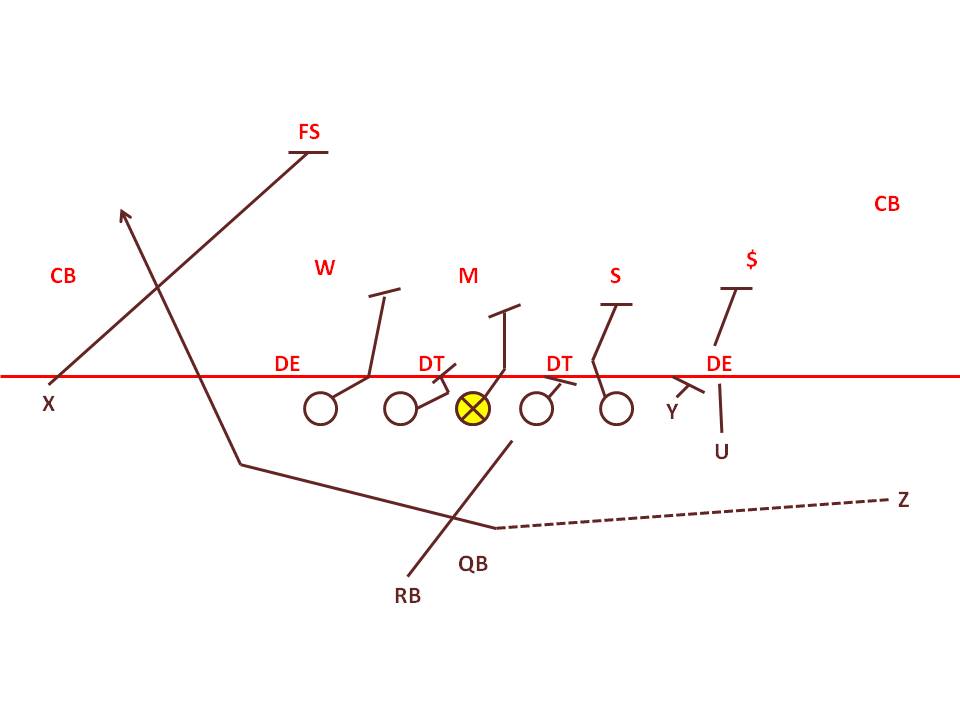
The deep zone is a key element of Gopher's attacks. It works well when combined with power, but also attacks when dropped. In this case, Minnesota usually associates it with the QB reading.
Skyfie4_medium:

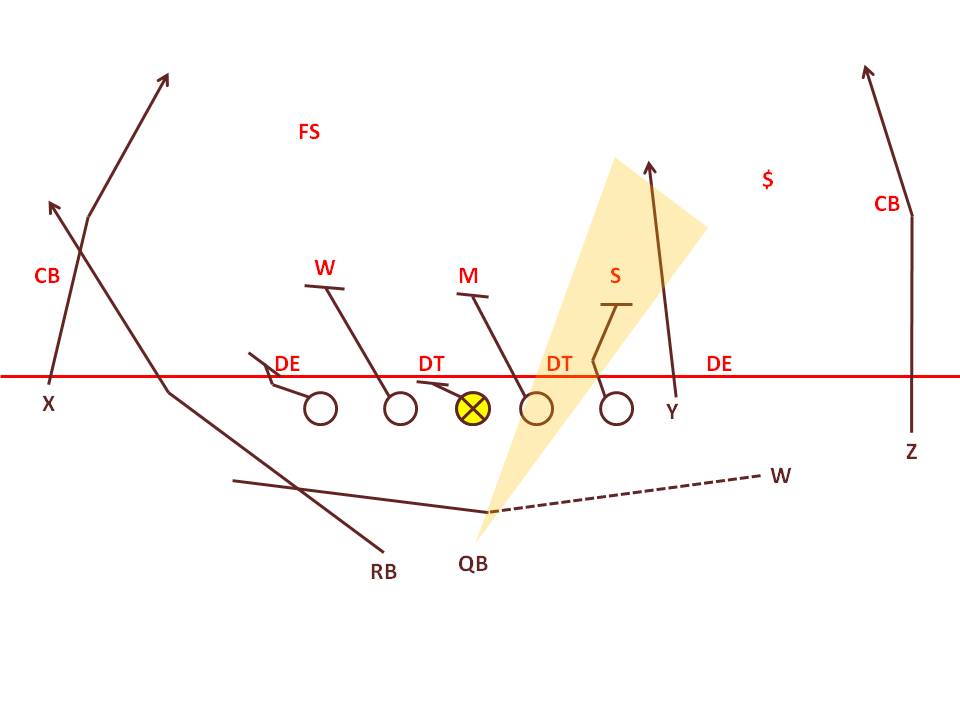
One of the things that Minnesota has done for mobile QB is to run a game similar to a reading game, but instead of cutting FB, it tends to bend blocks to the second level.

Skyfie5_medium:

At first glance, it looks like an inner circle for all intents and purposes. However, to prevent the QB from escaping, the DE is taught to push the inner belt while maintaining its limits. When FB accepts the remaining angle with inclusion, it essentially closes the section with DE, which is very active inside, isolating the second tier inside the QB. This is a great way to fight DE-sent discounts and LB-sent "for DE-traders" discounts. Both players are now out of the game, which is why Minnesota was so successful last year.

inkjet cleaner
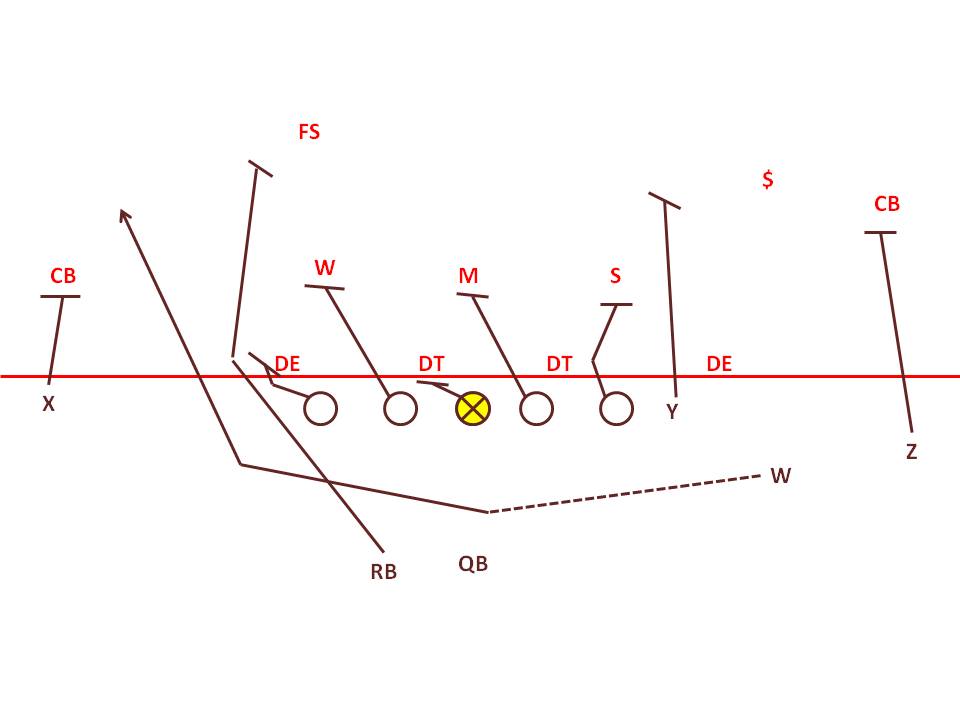
What is clear, Minnesota loves to dive. To hit the edge a little faster, they pushed the WR and passed the ball through the jet swing.

Skyfie6_medium:

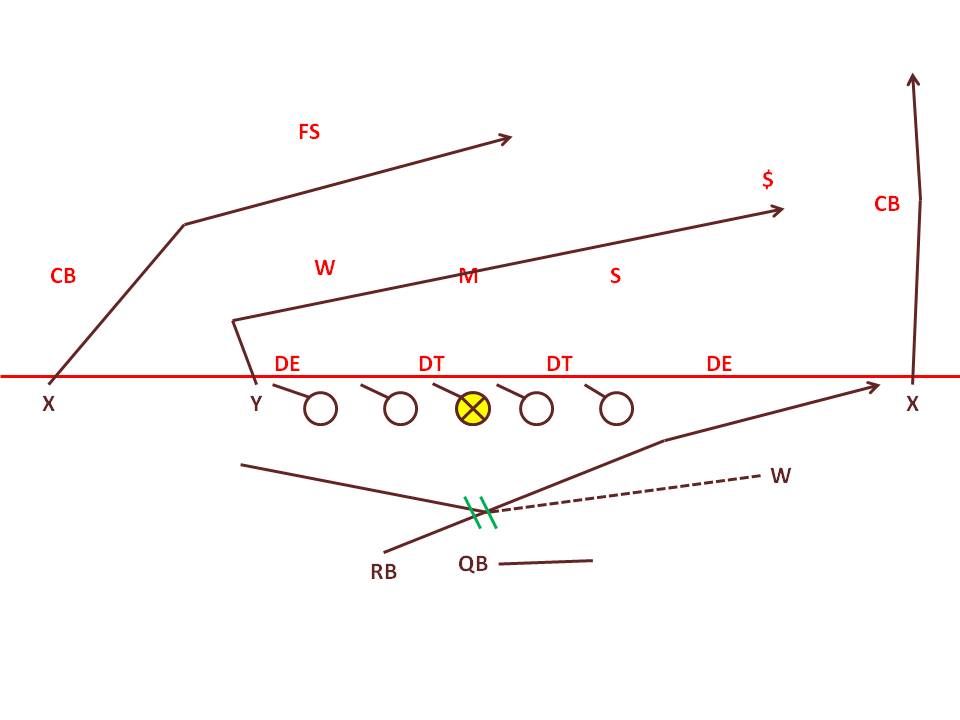
Overall, the locking scheme here is the same as the inner zone. The idea is that an already active WR would be too fast for the DE to stay inside and allow attackers to attack from the outside. But if Minnesota wants to attack from the side, but the DE doesn't shrink or expand (or the defense tries something like a cancer swap)

Skyfie7_medium:


In this case, Minnesota simply blocked the front, taking RB by RB. Minnesota RBs must not only be able to hit the ball from deep, but also be good blockers, use good levers, and use the right angles to block defenders in or out, depending on their position and angle of attack.

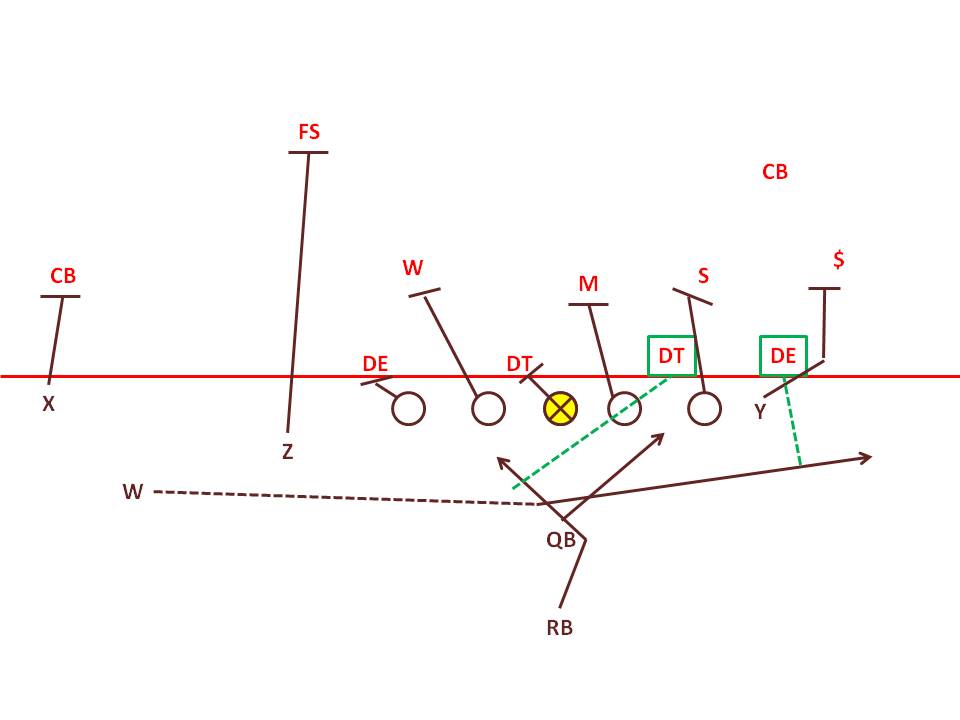
Fake rocket
As we've seen above, reactive whipping is often accompanied by other play, either inner belt or counterattack. As such, a fake whip can be used to "close" the finish line at the collision line, as the defender will be instructed to hastily hold WR.

Skyfie8_medium:


In this case, you see Minnesota leaving EMOL to block WR, and QB reading the next defender inside. These are two players that must be blocked to act, not to attack.

Theoretically, the same could be done to power the Power O in the form of a rotating jet engine.

Skyfie9_medium:


Or less commonly, the theory is similar. And here is the standard power of RB with reactive action. Note that a faulty transmission to a reactive receiver acts as a blocking unit in this power connection.


And as per the main game mentioned above, Minnesota can also use reverse play. Although the blocking pattern is different (Power O is now an example, not a simple game), it has the added advantage of being WR's main blocker option.

Fake Jet Sweep Ticket:
And none of this prevented Goffers from passing the ball. One of the problems many teams face is that they rely too much on running to keep the defense fair. Of course, the receiver, with the exception of the start-off, is basically out of the transfer game, but the defense must advance for two or three different dangers during the flight, they must spread horizontally on the short belt.

Open the case.

Minnesota_run_game_medium:


Slayd10_orta:


As you can see, apart from the regular PA, which would be effective for jogging outdoors, there are different routes designed to attack different starting scenes that don't result in the transfer of the WR plane to the RB. In addition to the traditional running game PA, they can concentrate defense on vertical locks, as well as turn them sideways to surprise with big air pieces.

Packing:
Nothing Minnesota does is overly complex or innovative. What's this. This is a very simple theory that works together to attack the defense in the middle of the blow. There will be some breaks in this team, but it makes QB easier to read; Having lots of people on the ball keeps them all fresh, if your RB is dynamic enough to be a good universal player it will be hard to keep up the many options that the same staff always provide.

Friday, 24 June 2022

Inside the Playbook: Minnesota's Use of TEs to Attack the Hole

I have already said that there is good rugby in the offensive system. Minnesota, since Maxx Williams, continues to use TE/H-Backs/FB in a variety of ways using related keywords. In Michigan, a team that played primarily at 1 cover used the H-Back space to attack what they called defensive "holes" in the very deep safety of the midfield. The hole, mainly associated with coverage group 2, is empty before the security level (especially between two security levels) and after the LB level. Let's take a look at how Minnesota attacked this space and how it was designed with its amenities.


Heavy Workers - Separate TE
Minnesota has only 22 employees (2-TE and 2-RB) and only 1 WR. This forced Michigan to stay on at least a 4–3 baseline defense, but the better defense went 4–4, further limiting their options. When the pumpkins broke the trunk, two heavy trucks were sent to the camp, another to the border and BP (May) to the border. Minnesota then moves WR from the border to zone no. 3.

Defensive reaction
The duty of the defense to walk 4-3 limits the defense's options in this game. Here the defense has five options.    
  1. Rotate the CB box inward.
  2. Disable Security
  3. Turn on traffic and let WR follow the CB boundary formation.
  4. Exit from LB
  5. Go to the Zone

Some of these options overlap; Everyone has weaknesses.

Let's start with the first option. The brothers love to play outdoors; This is the place where you used to play racing, where your eyes are open, where the public just attack you. It's also where the catcher has a lot of work to do because the defender covers most of the field. Crossing to CB requires another defender to protect that space, safety or LB. Moving the VR to position #3 with a delay means that the CB must be connected to safety or the LR must reach an outsider too late when moving from the inside; Risk of security setting failure and risk of communication failure.


It overlaps with the second article above. Most likely, the title has already given up cover #2; Otherwise, here is a new product just for you! But you're offering cover by giving up security. The outer shield (either unknown space LB or large CB) has no superior support. Another option is to set up a border guard to help or cover the WR while crossing the camp. None of these things are better. Bringing the safety console into an extreme one-on-one situation with a great player; There is also security in regards to WR in the slot (strong coverage) and none of them go deep or have high security protection, but it still leaves you with compatibility issues (up to the limit, #1 in the field nothing on it, LB in space or above #2 OR cover WR).


This is what it means to emphasize safety in the field.


And then there is the issue of border security.


The third option is to do away with the opposition from Michigan, and this is another benefit of greater mobility. Moving on to the basics, the cover shows. You now have a CB locksmith in your WR and head to the other side of the field. This creates a lot of dirt roads and is a very difficult cover for the CB. Similarly, an unconventional limit is given to another player to protect the player. LB (although there are guards at the top, but can limit roadside assistance or force the defense to play in an area with 5 defenders) or push guards to the border of the island.


The fourth option is explained in some of them. You can cover no. 2 and n. 3 with LB, but this will take two defenders out of the zone (leaving you with five locks and two ball carriers) and you will still see LB compete against WR. Yes, the overlay is useful, but the backup doesn't work; And usually MIKE (usually the worst LB cover) has to cover number 3.


Up to the area it works, but your hand is on the point (usually with a WR move). You will lose the tight coverage you want and still be forced to try to cover LB faster than your peers.

How it works in Minnesota
So look, at first Minnesota was in a quandary about how they wanted to play Michigan. Michigan pushed both SBs aside, moving LB above #1. 2 (leaving a field guard to help on top) and putting MIKE high between # 3 and attacking EMOL. MIKE took part in the vote and the cover was shown. Minnesota is in a hole.

The Minnesota WR is faster than the 6 I mentioned (bolted line, single line, maybe an alternative but I doubt it). Slip into the corner (exit) and then onto the field directly into the hole in the defense, from the LB (which are on the line between the defenders) and in front of the safe. The lemon climbs at a light speed.


H-back in block-back position
The name "Block" (BB) comes from the old winger only to distinguish the player's position from a winger (especially outside of LOS TE or OT) or midfielder (usually in the middle of the defense - hence the name - and compensation). The rear lockout lines are directly behind OL, between OT and OG, in line. As the term suggests, they can be used to lock down through or outside of the VOC, often hiding it behind a large screen. game direction). They are rarely used in later games other than in the backseat, as their position makes it difficult to maintain a straight line.


How it works in Minnesota
Minnesota's leading inland zone loves to apply. Positioning BB puts FB in position before RB enters the hole he is trying to attack. So this is a good place to get the ball rolling.


For this reason, it's a great place to launch the game. By putting him in the position of BB, LB draws him into a serious ongoing conflict. While OLL isn't hard to sell, Old Testament still forces existing DE and OG to move inside in the inside guard and, combined with FBB's full speed in LB, sells enough to force Elba. React immediately to prevent running.

This reaction in the race allows the WB to slide down the block and control the so-called "Bender" road (which usually starts from the entrance, but serves the same purpose). Includes a return trip and a gap in the defense. He can do this by removing a layer or pillar, adjusting the path for further digging, or running up to a defensive hole and placing it. The ball was thrown before the receiver's interception and the attack was favorable in position and slant, forcing Elbin into serious conflict.


summary
I like to move players because it keeps the defenders constantly thinking. It also provides ways to take advantage of how defense mechanisms typically develop and how they respond. Both of these shows are examples of the Minnesota team doing the same. This is something you see more and more in football today and Minnesota is still the key to being a "strong team" but still has a defensive focus in the game.

Tuesday, 7 June 2022

Inside the Playbook: Banjo Coverage and Minnesota's Switch Double Slants

Unlike the Indiana Red Zone, he sided with the Minnesota Transition Issue Concept, using parentheses that included the basic concept of twin transitions . I have long recommended the use of composite / composite decoupling points, as QB helps to better define coverage and take advantage of protective coverage trends. In this case, Minnesota knew they would get a banjo cover (effectively, an outside defender would let the first defender or second receiver in, and an inside defender would let the first receiver in or out the second). Let's take a closer look.


Double trend
Oblique is one of the first concepts learned by most QBs. Pretty easy to read, read from the inside out. You can read your recipient or permanent advocate, but you work from the inside out and think the same thing. This simplicity of reading makes it a favorite, especially in confined spaces, as it allows you to read almost any defensive material when the ball comes out quickly. It needs representatives, as there are many ways to take defense classes, but when you do something, it is very adaptable և valuable (i.e., adaptability makes it relatively inexpensive to learn a high level of skill).


Banjo cover stack և to form groups
The most common way to protect these types of structures, especially structures near the target line, is to "overlap" or "pass" patterns based on the output of the receiver. It provides an ideal “main route” for criminals to avoid acting in this situation, allowing the recipient to open wide open before deciding on cover so that they can cross that “peak”. The most common method is "banjo".


Free
To set up a banjo casing, the back guards must be able to see the release of both receivers. This means that usually one defender will try to protect the inner lever and the other will try to protect the outer lever. This is the lever that can take advantage of the transition problem.

“First access” advocates often maintain internal levers to prevent rapid release from the inside. Also, the person in charge of the “first exit” will protect the outer lever from jumping over any cracked path. He often works in defense. Even if both receivers move in the same direction (inside and out), their “seconds” may delay the release of the second defender long enough to close a solid window, especially if they are in line. "Itinerary.

However, the transition relieves the pressure of coverage. The reason for this is that by closing the staff, the offender must respect that the crime is going in the wrong direction, and then it is necessary to start working to protect its capacity for influence. They are embarrassed when the receiver releases the lever.

Release the double tilt key
In QB the transition is similar to the concept of a double-slope path (although the standard is not a 3-step, it will be combined with an equivalent 5-step descent to allow more time for root development. Equivalent). The outer WR will fall, և the first diagonal will hold it firmly. If it is open, the QB will turn on, otherwise the QB will operate on the second WR. This second WR initially serves as a natural contact, moving diagonally across the first. This external release pushes the defender to the “first exit” and forces him to try to protect himself from external influences before returning to the diagonal. Often a small separation is required to open the end area.


(Coach Dan Casey TV)

Los Yogi / Snag free
It is not only for the benefit of the doubt or for the outside world. You can link conversion ideas that use drag-and-drop receivers to track routes before you retire.


Use an internal receiver
You can also use this type of concept in slots. Here Michigan still travels in a nest of two recipients. It will be like an idea that is being trampled on from the outside. The inner diagonal acts as a quick read first, then you move on to the concept of breaking. But the idea is the same. The defense goes to the compound receiver "banjo." That’s why the second receiver will have a small external output, and the first receiver does most of the work to stay upright and tap a little on the inside. This coverage promises: It's possible. Because the diagonal receiver will have a protector with an external lever; Releases the work lever. Within the Smash concept, Corner Rout will have a protection with internal levers. Once again, the buyer starts working away from the lever. Stack և Due to the release of the Casey-Switch structure, the cover is penalized without any route restrictions.


(Note that Michigan used speed to dynamically stack the steak to better define the coverage from person to person, but then waited for a kick that would allow Maryland to communicate with bank coverage because Michigan wanted to have that coverage with this call).

Result:
Banjo Cover այլ Other adaptive covers are a great way to lift a lot of people who want to commit a crime, especially lately. As the defense became more intelligent, it became more difficult to apply strong coverage against gangs / gangs, as criminals began to react differently. The best attacking intelligence has a good understanding of defensive football, as everyone has weaknesses in defensive coverage. Complying with a well-known or established defense framework will help you better commit your crime. Changing the package versions is one of the best ways to get there.

Thursday, 2 June 2022

Film Review: Ohio State at Minnesota, 2021

I separate interesting games, schematic and technical, from playing football at Minnesota 2021 in Ohio.

Soccer 23:

Post 24:

Set 25:

Tuesday, 24 May 2022

Film Review: Minnesota Offense vs Ohio State Defense, 2021

The Minnesota offensive line against Ohio's defense is a high-level view.

The game has been discussed in more detail here before.


Film Review: Ohio State Offense vs Minnesota Defense, 2021

A high-level view of Ohio's attack against Minnesota defense. The match has already been watched in detail here .


Monday, 23 May 2022

Inside the Playbook - Minnesota Mug Green Cover 2

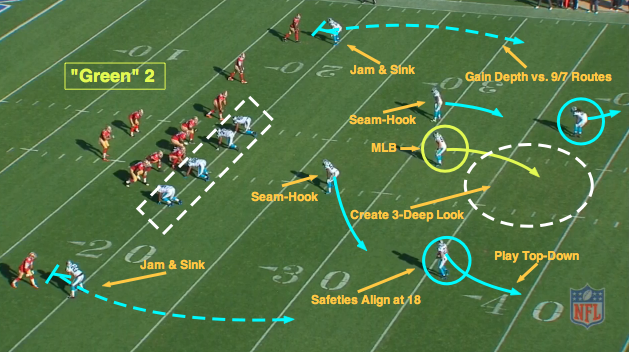
In the game against Ohio State, the Golden Gophers made two critical 3-level stops and got 2nd coverage for 3-under-3 robberies. Let's see how it works.


Cover

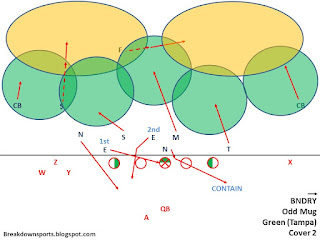
The cover is fairly flat green (Tampa) 2 cover . The green pad (CB) is the difference that allows them to gain depth up to the first mark on the bottom and allow the ball to move forward as it descends. The pad allows the MIKE to go deeper into the hole, giving the surface a depth of about 3-feet when the guards play at half the depth, but the MIKE is protected from falling to the ground.

Shiny report

As well as camouflage
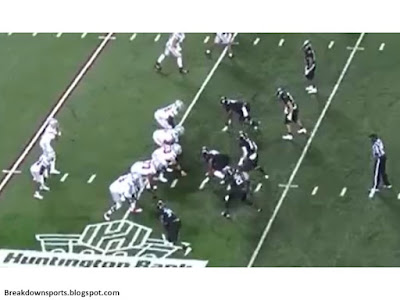
In both cases, Minnesota is on a single front with a 7-tech DE (shelf) and large internal bubbles. These bubbles still contain a constant DE and two lbs. Nickel is also an external threat. Stand-ups, on the other hand, are a bit behind the scenes, allowing you to start the game or enter the coverage area. A total of 6 defenders are threatening the defense before the fight.


The compressed beam allows Minnesota to disguise the rear camouflage with a high view before moving into a two-level shell closure.

Example 1
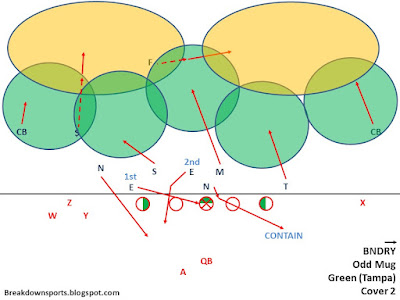
This is the first example of OSU's 3x1 combination. The Minnesota front columns show a height before moving to the two highest columns in front of the projectile. I break from the outside, the end of the field sinks into hole A and the stuck tip goes through hole B, overloading the protection. He first hits the NT in the middle (make sure you don't slip too much; hold 3 to 3, one of which is the field Arabic).


It is the pressure that is simulated because under pressure Ni appears and falls.


The track was also discussed by coach Alexander

The coach also talks about the strategy of the marginal CB in the example above.


Example 2

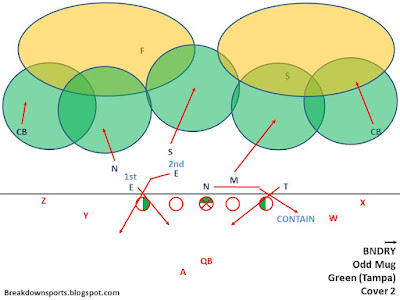
This time the OSU is a double 2x2. This widens the access a bit and forces Minnesota to show skin at a height before 2, but they can still play hard on the pitch nest and threaten the nickel pressure (although this time the nickel goes down).


Minnesota jumps into the DE and this time surrounds End and NT, who have been snatched for protection. Although Minnesota condemns them, they send traditional runners, so there is no technical pressure.


2022 WNBA Week 1 National TV & Streaming Schedule

Friday, May 6 19:00 - "Indiana Fever" at Washington Mystics   Facebook : Megan McPeak, Christy Winters-Scott 20:00 - Los Ange...